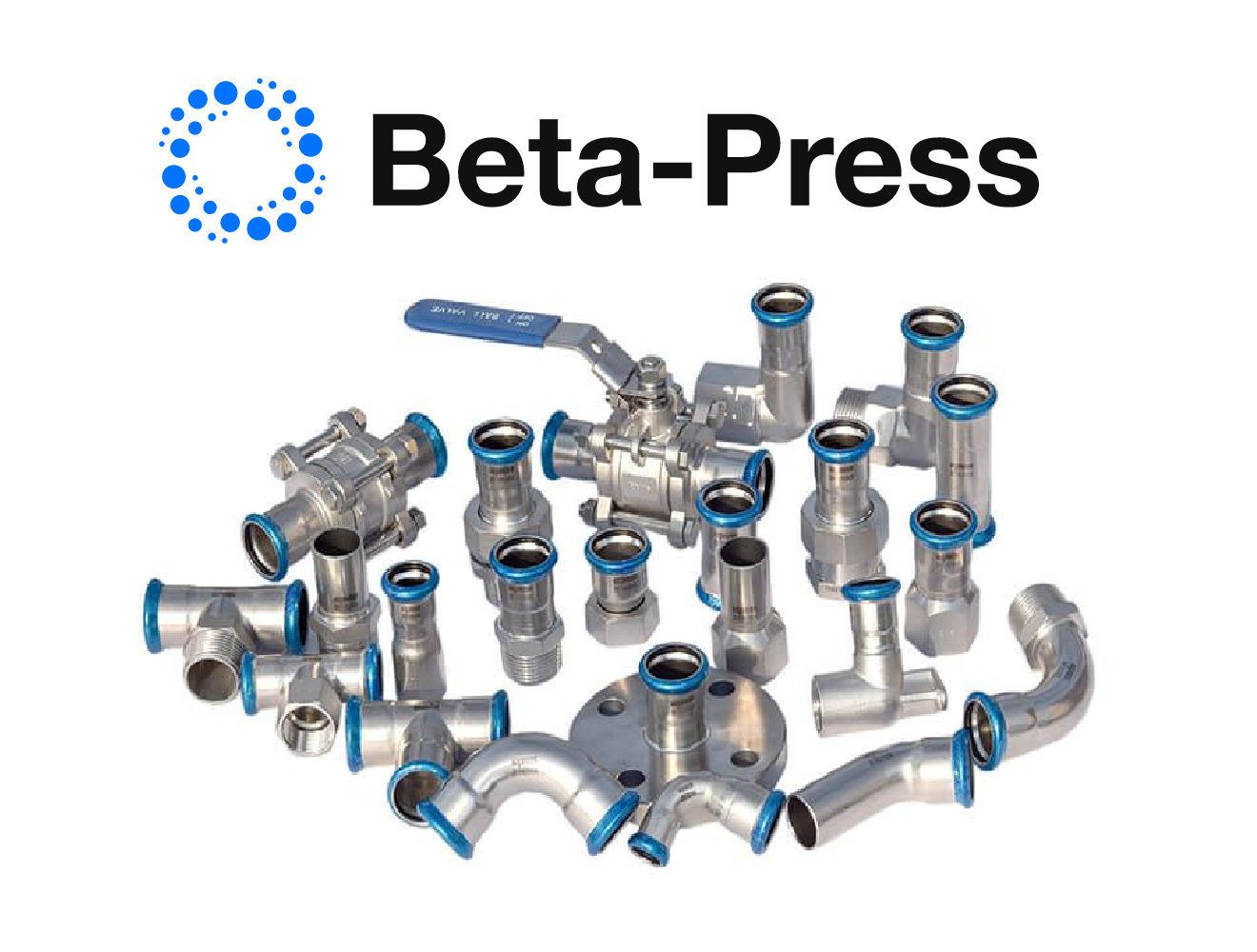
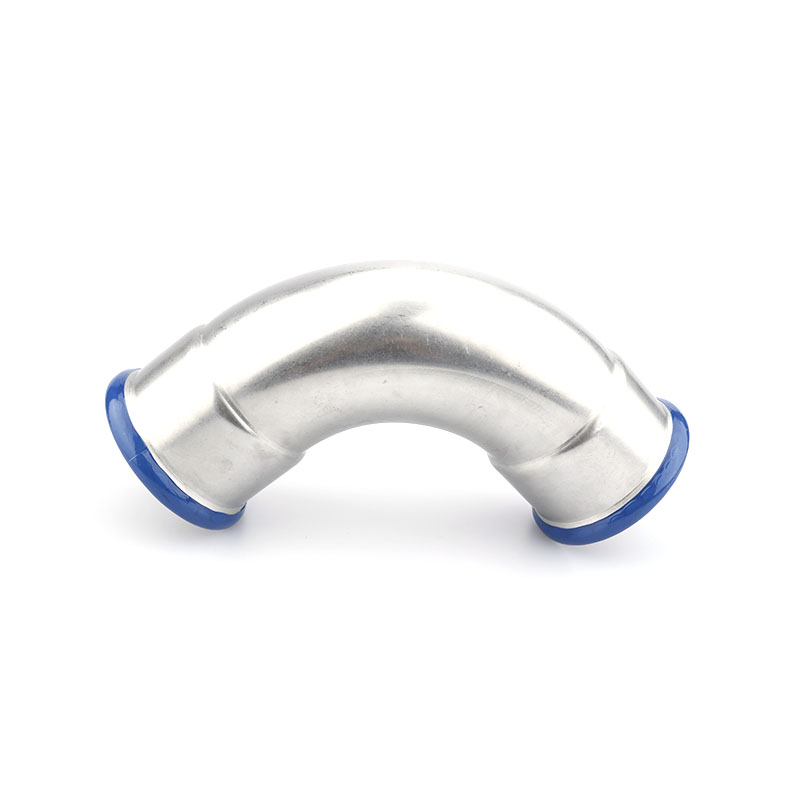
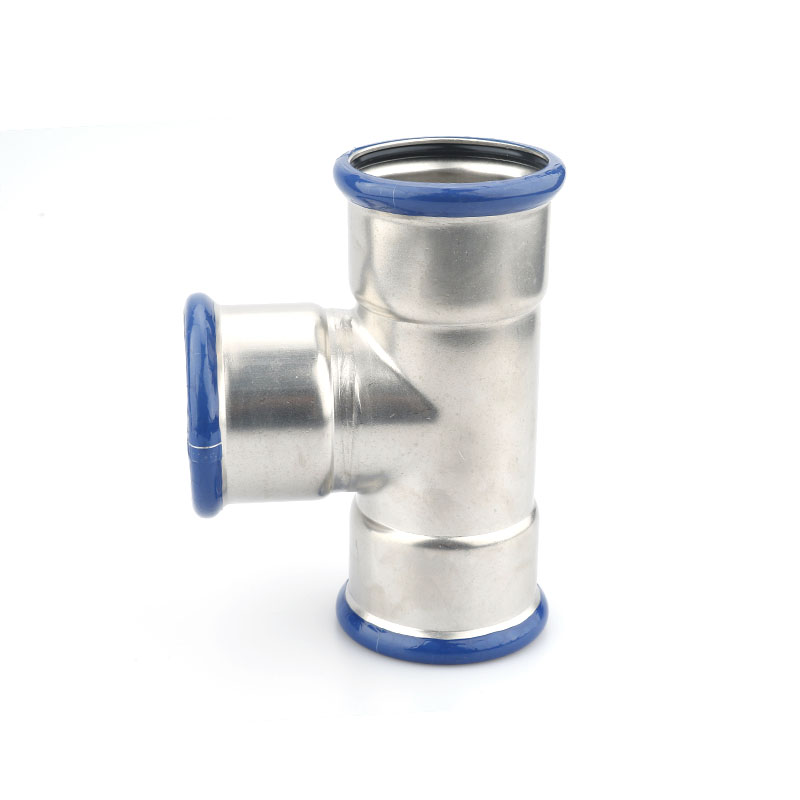
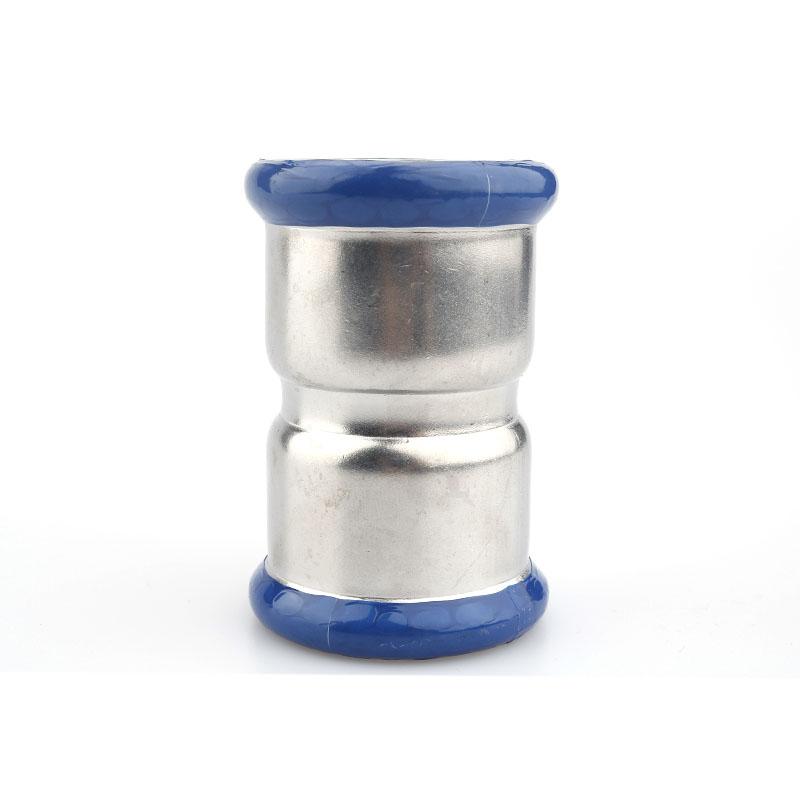
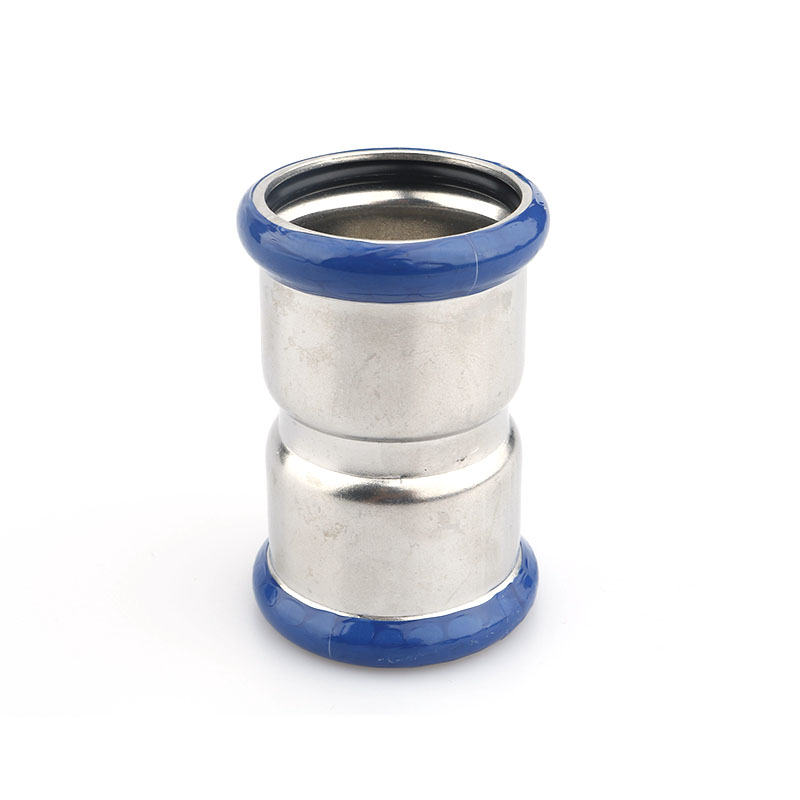
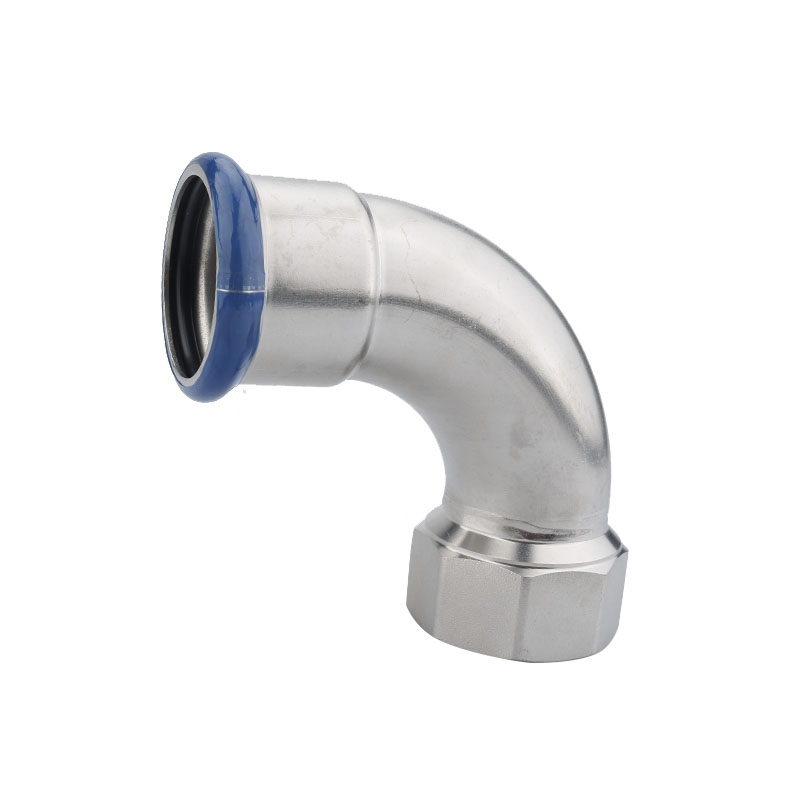
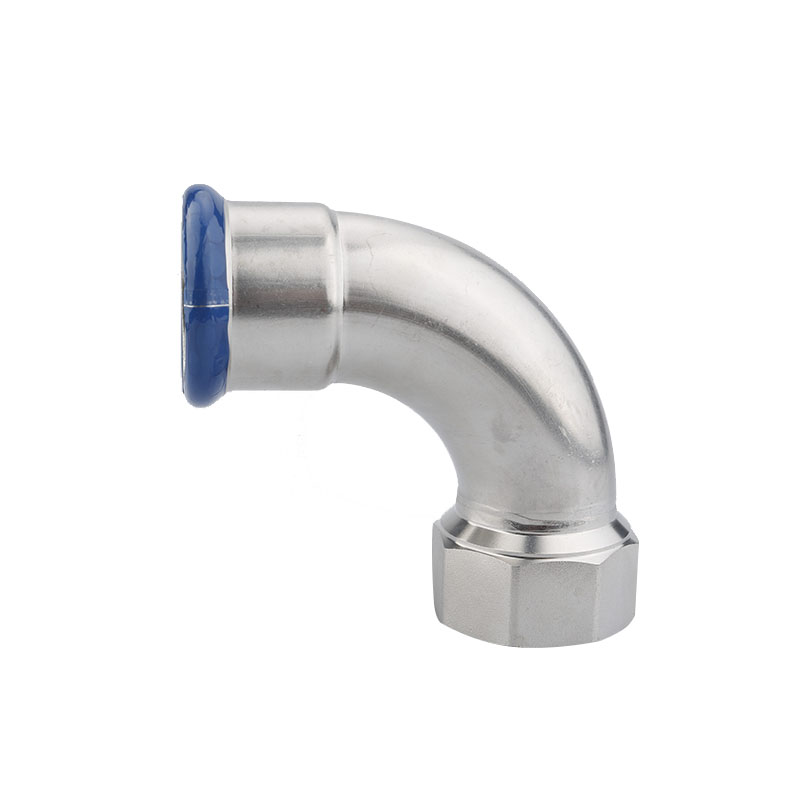
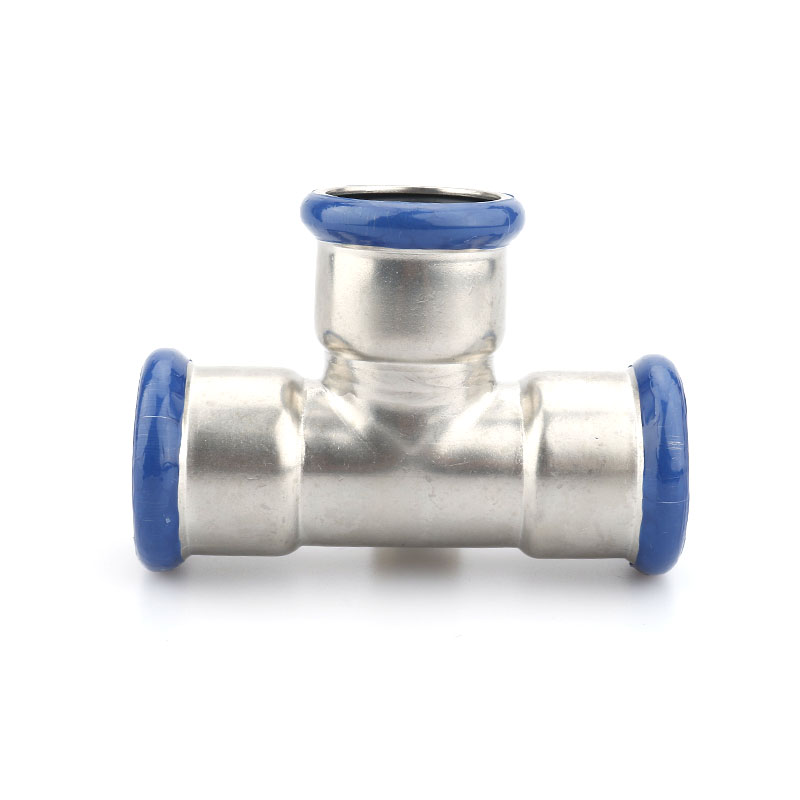
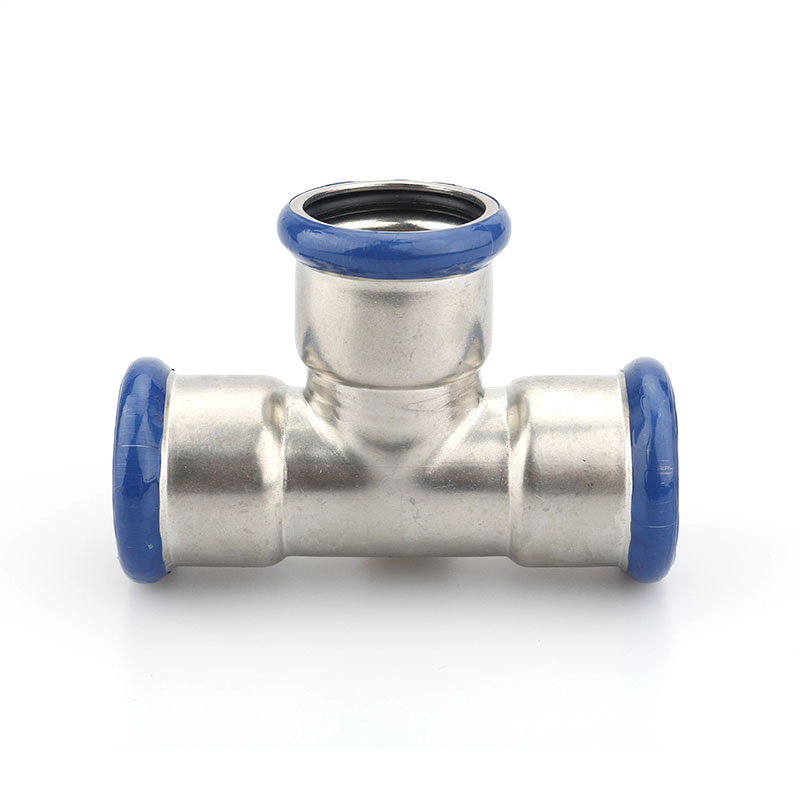
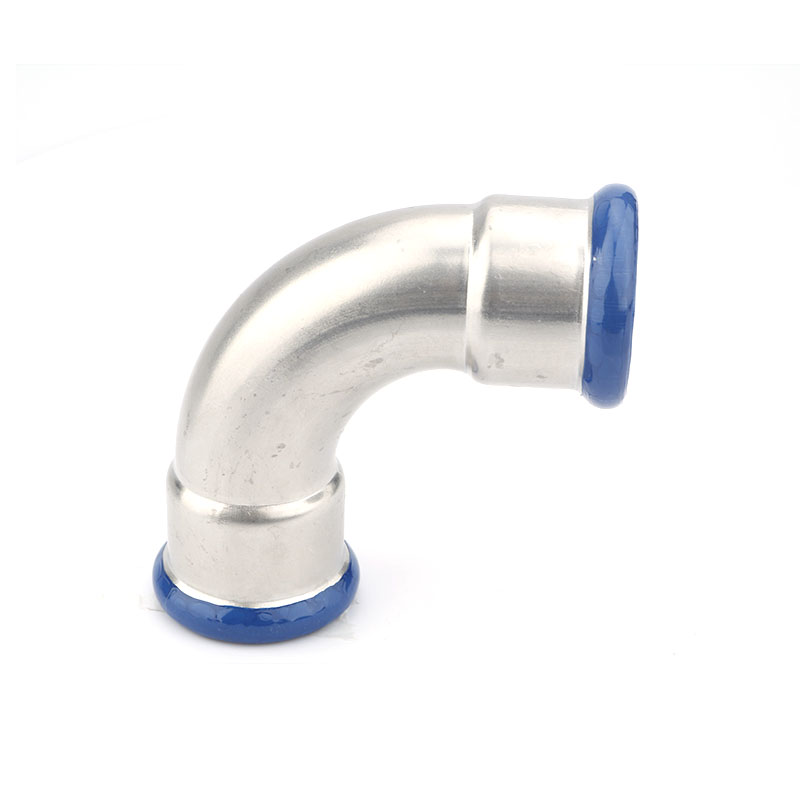
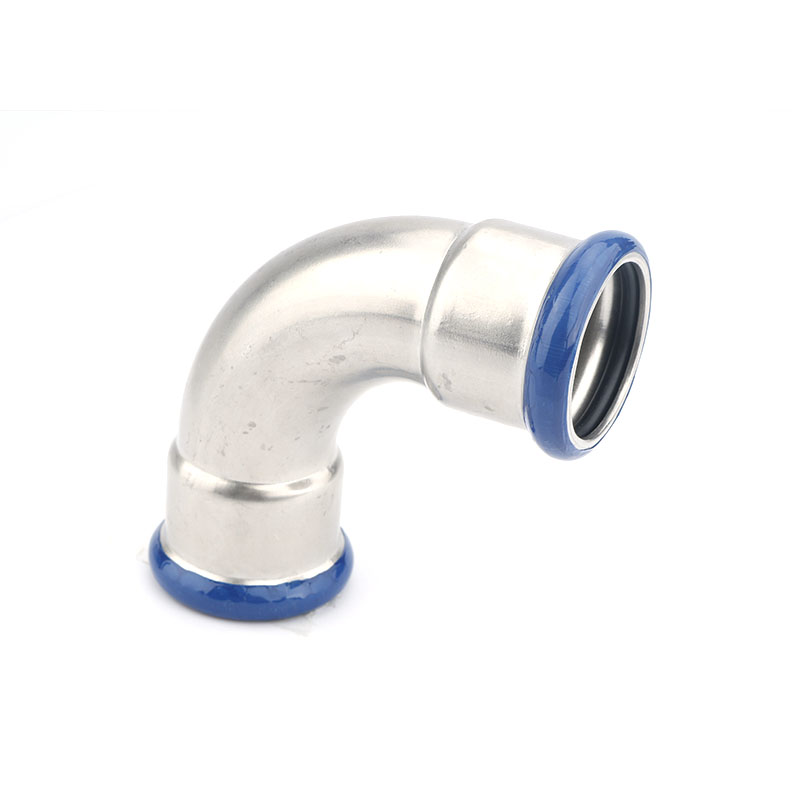
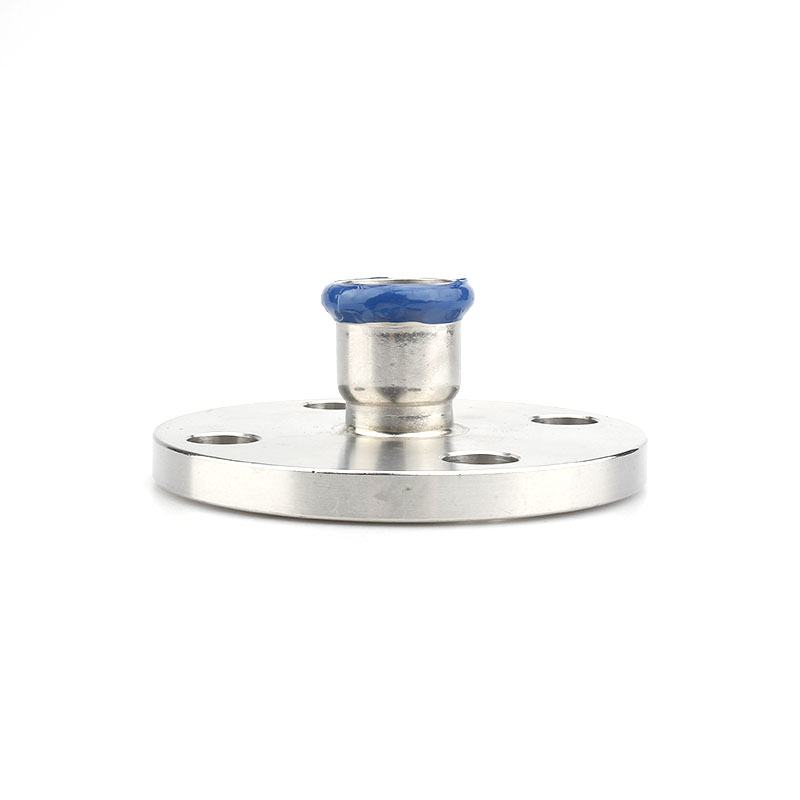
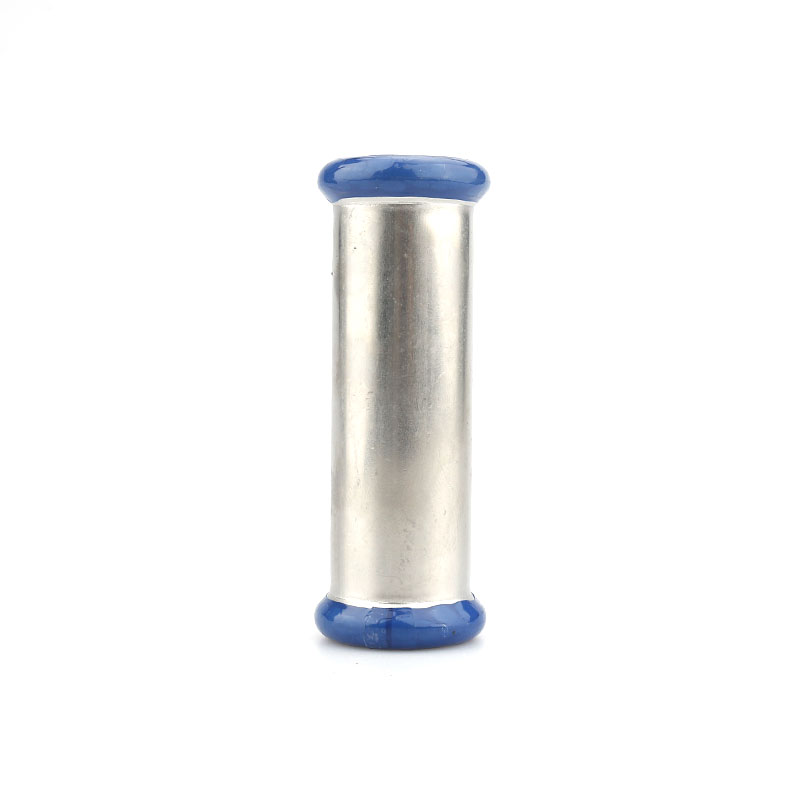
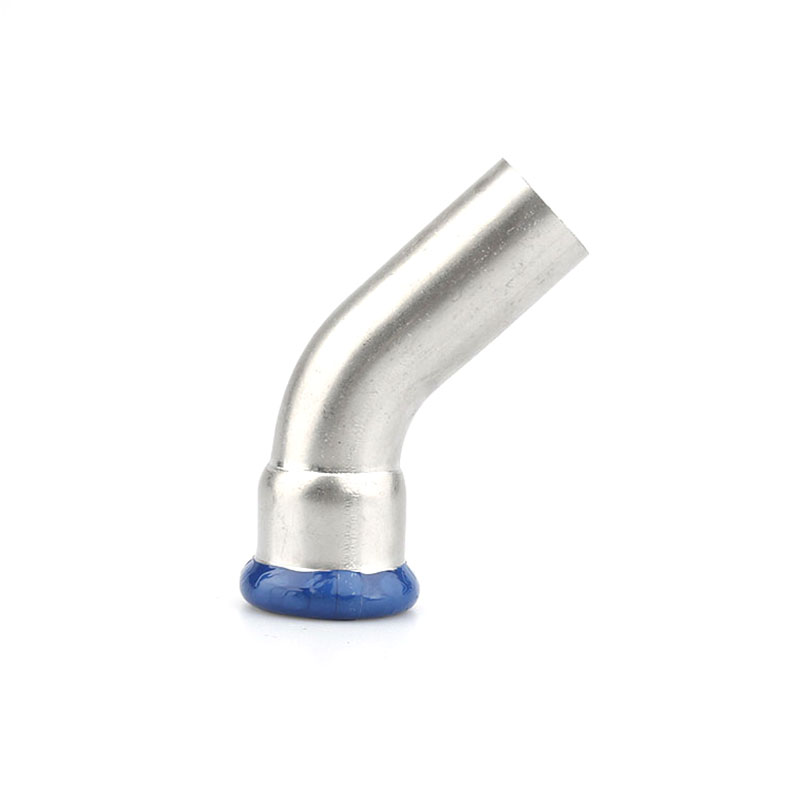
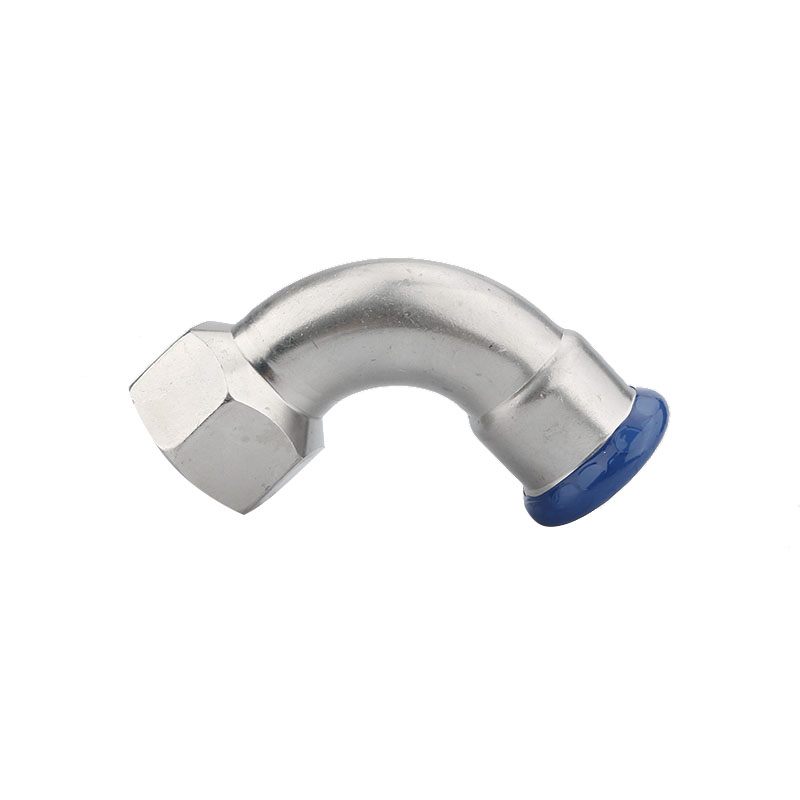
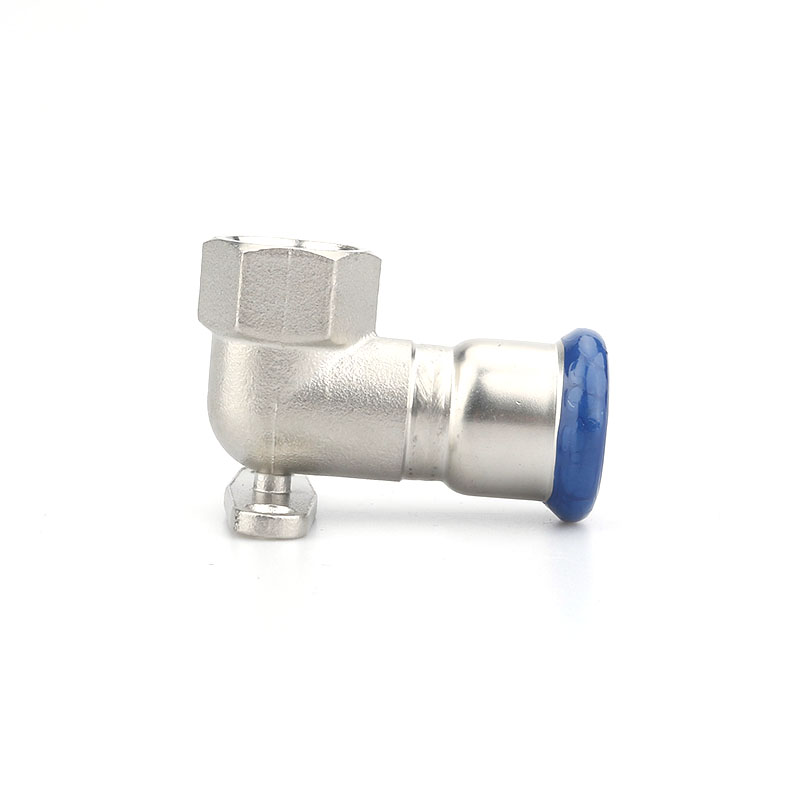
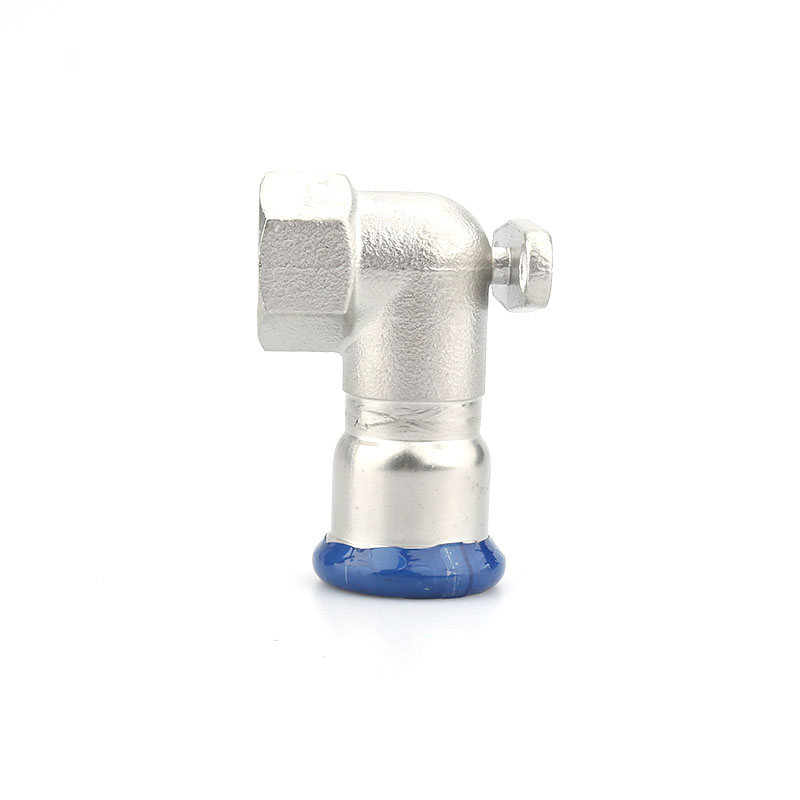
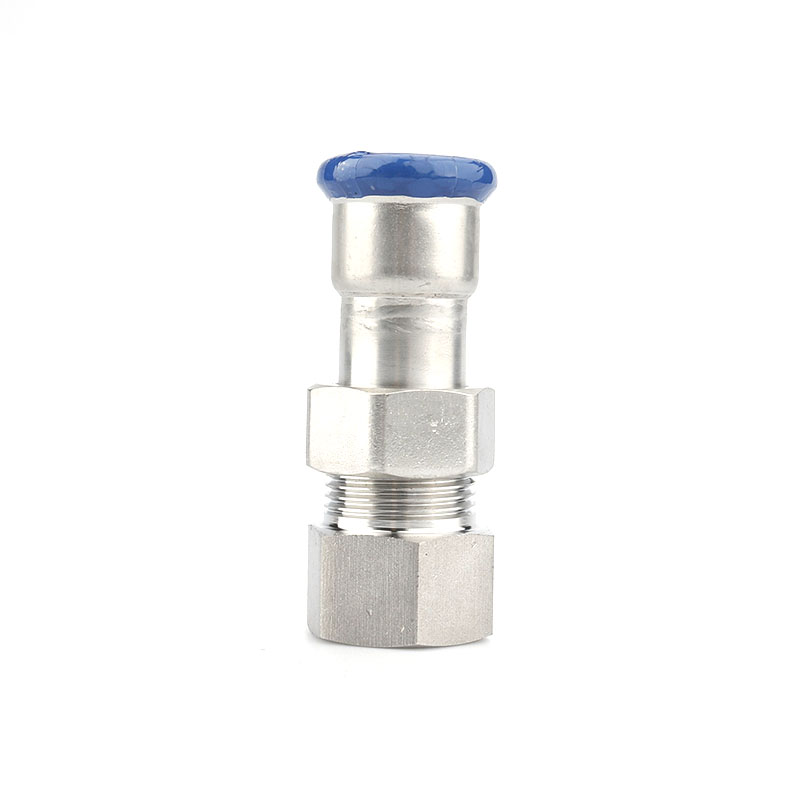
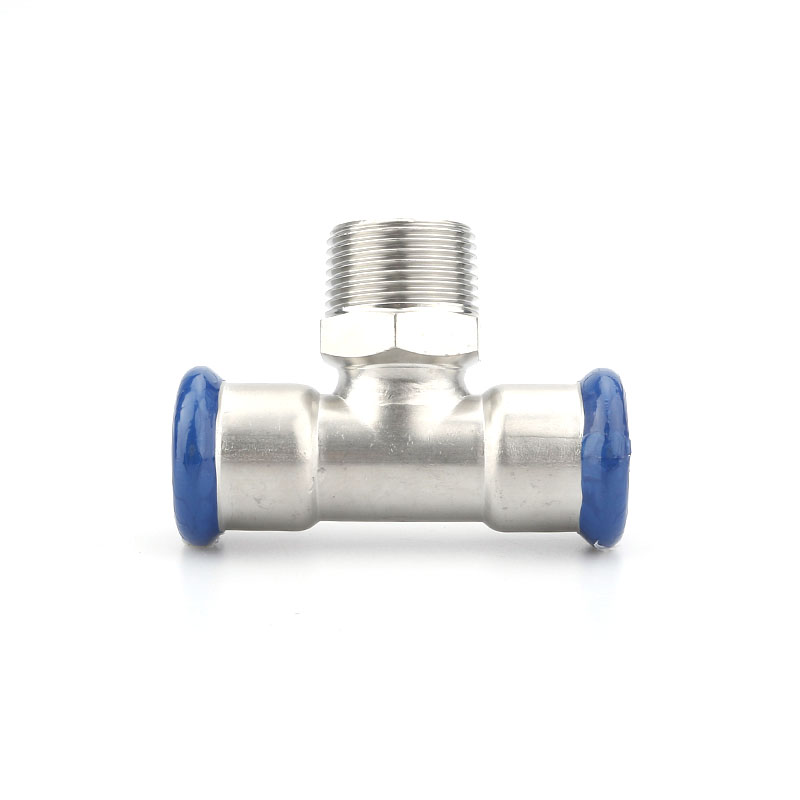
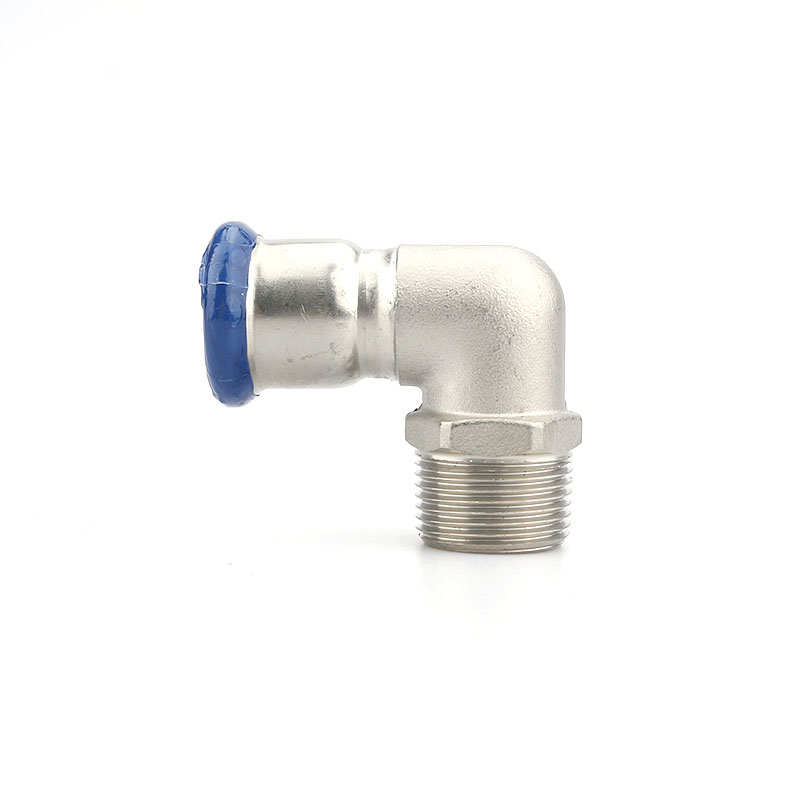
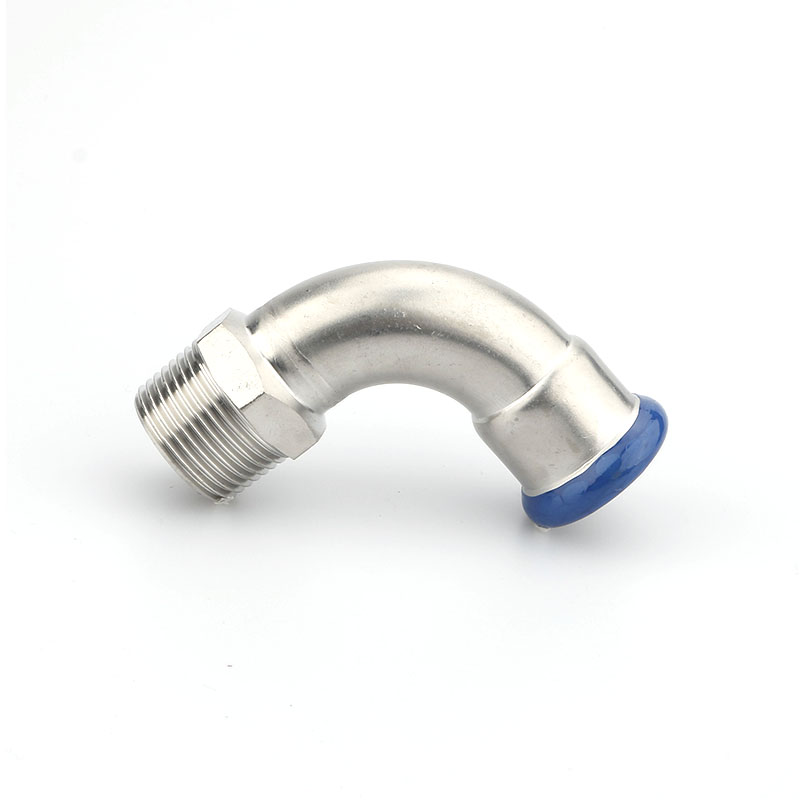
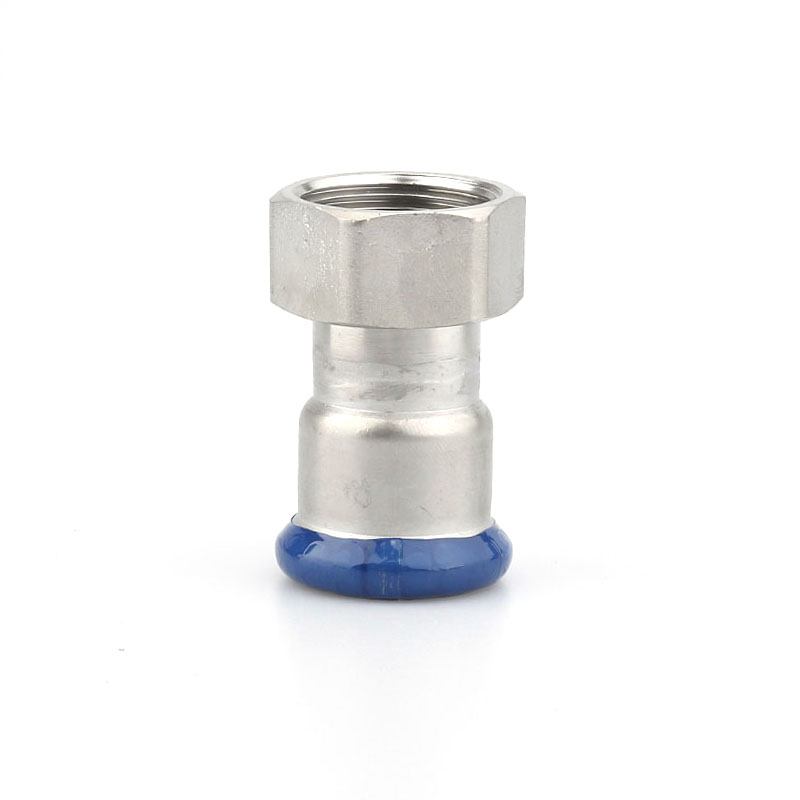
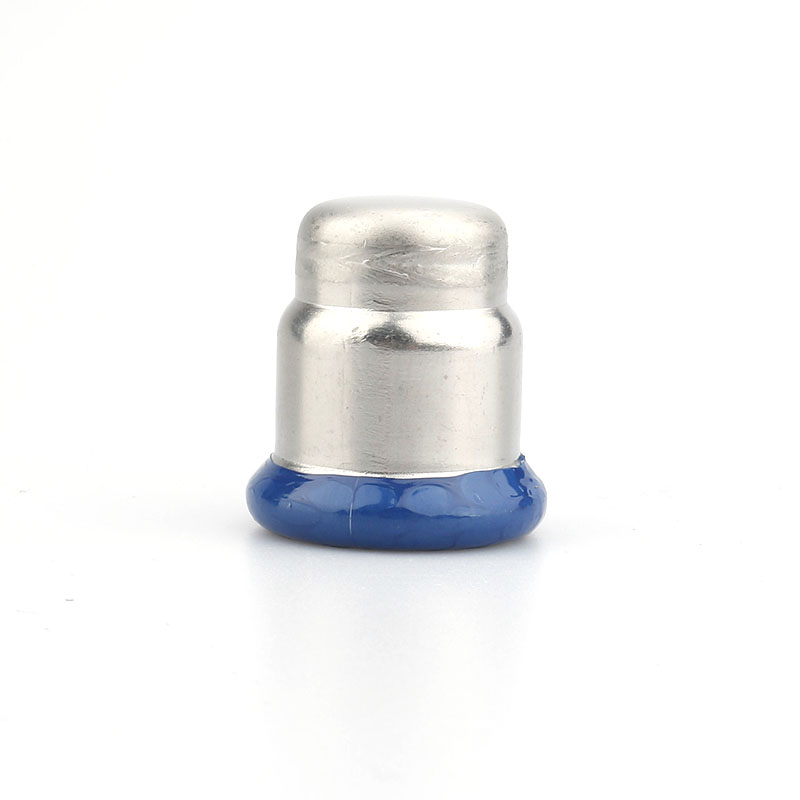
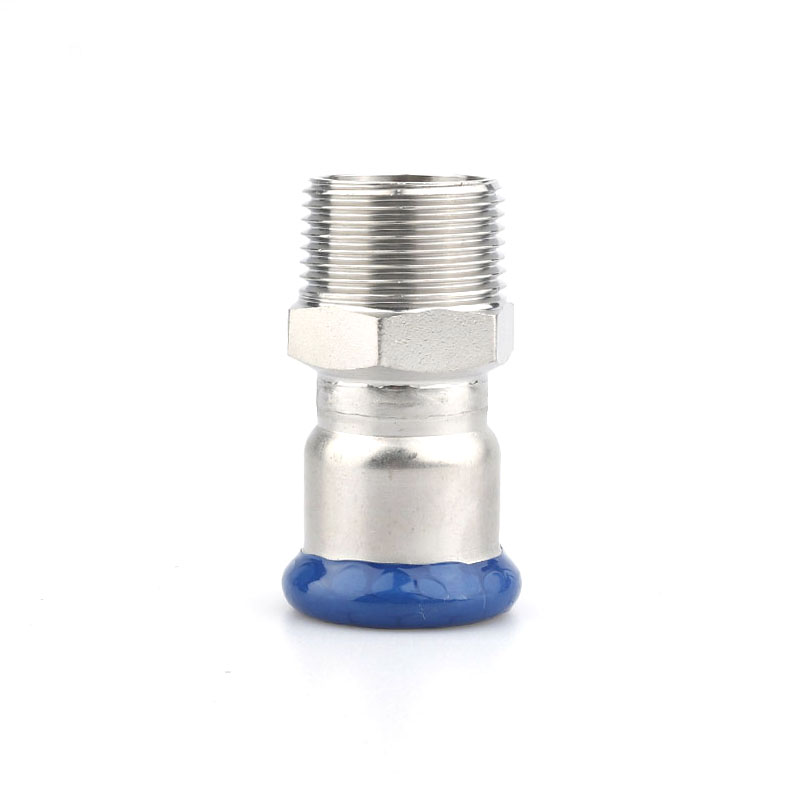
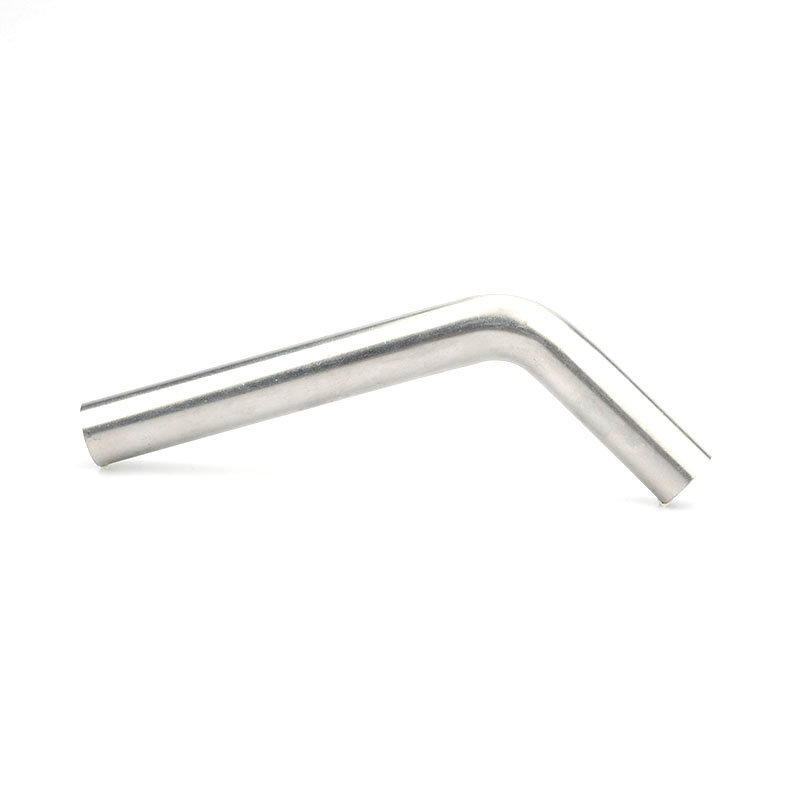
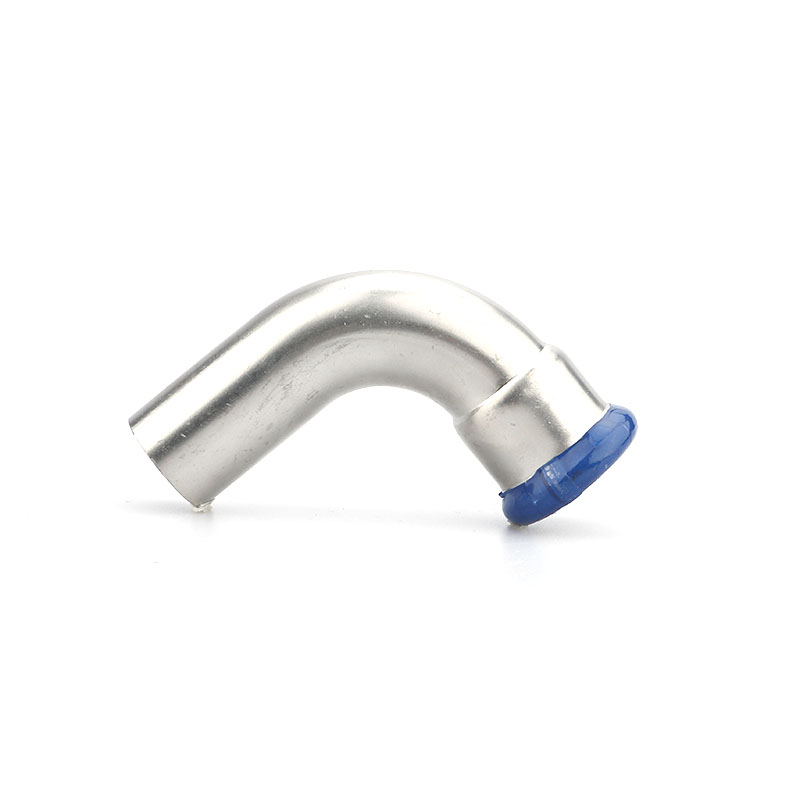
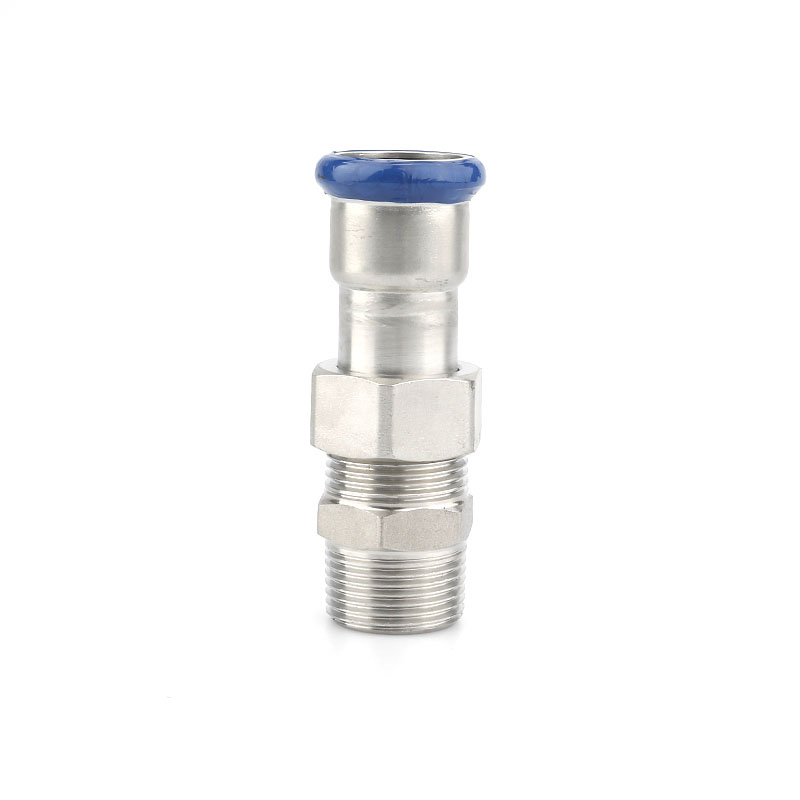
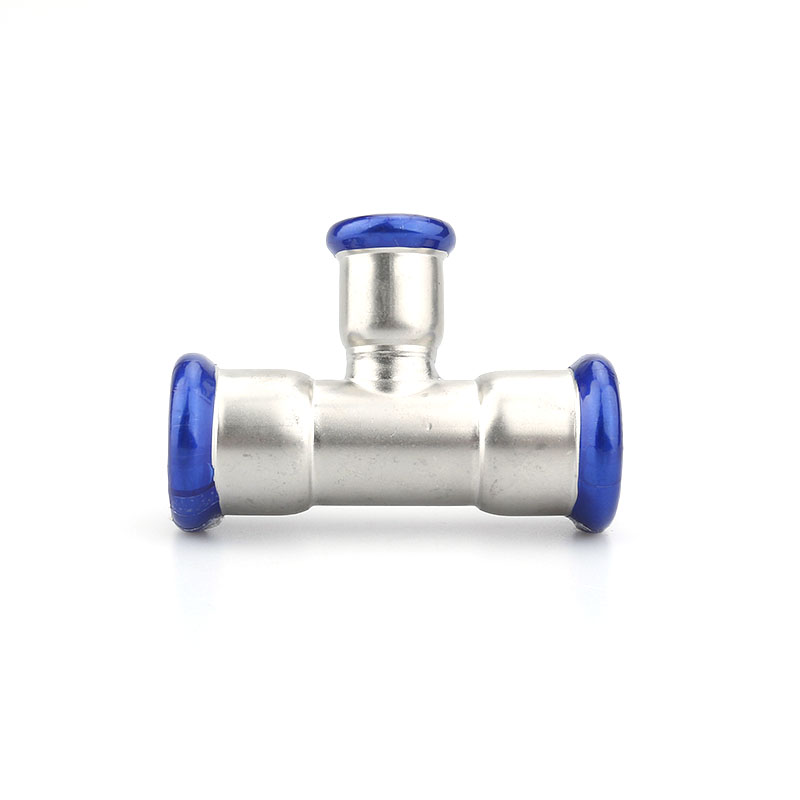
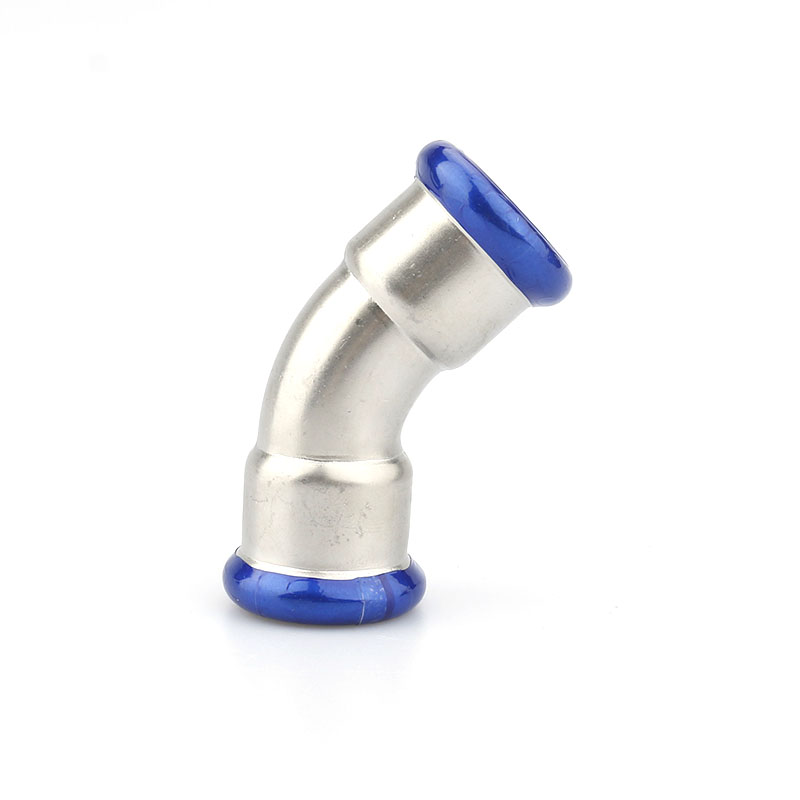
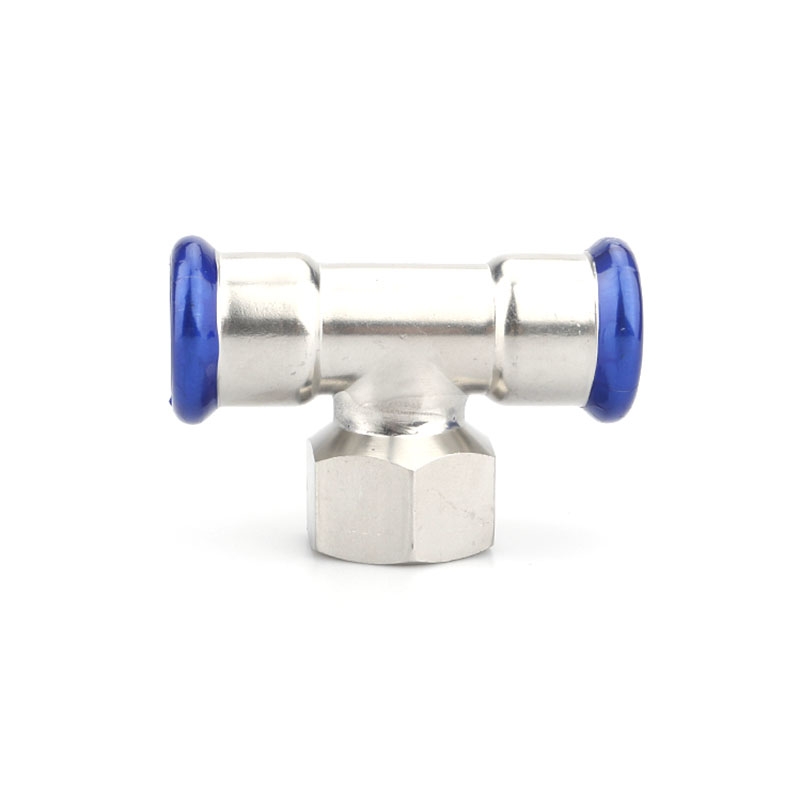
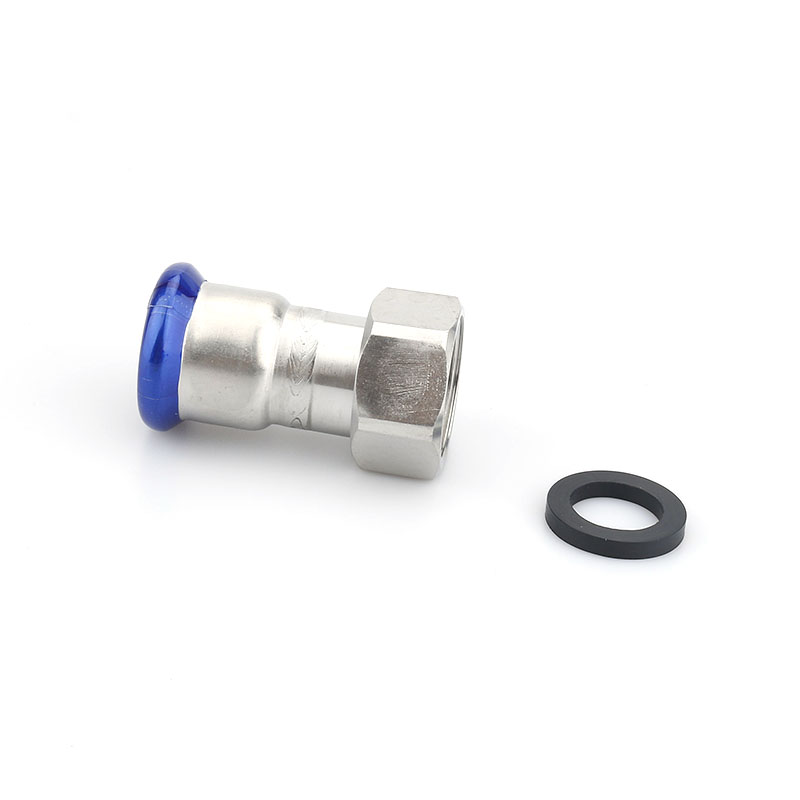
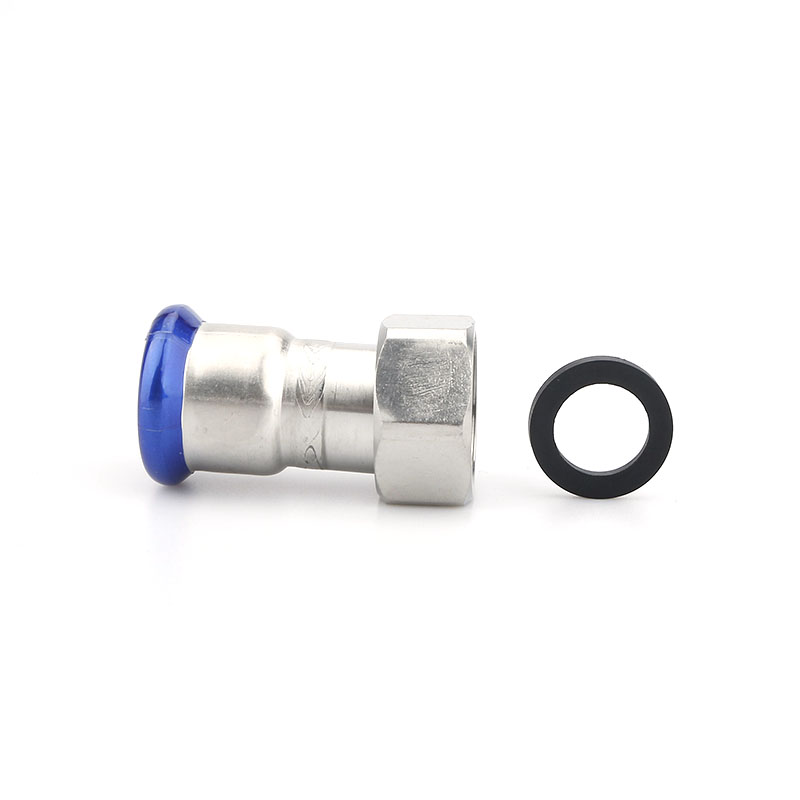
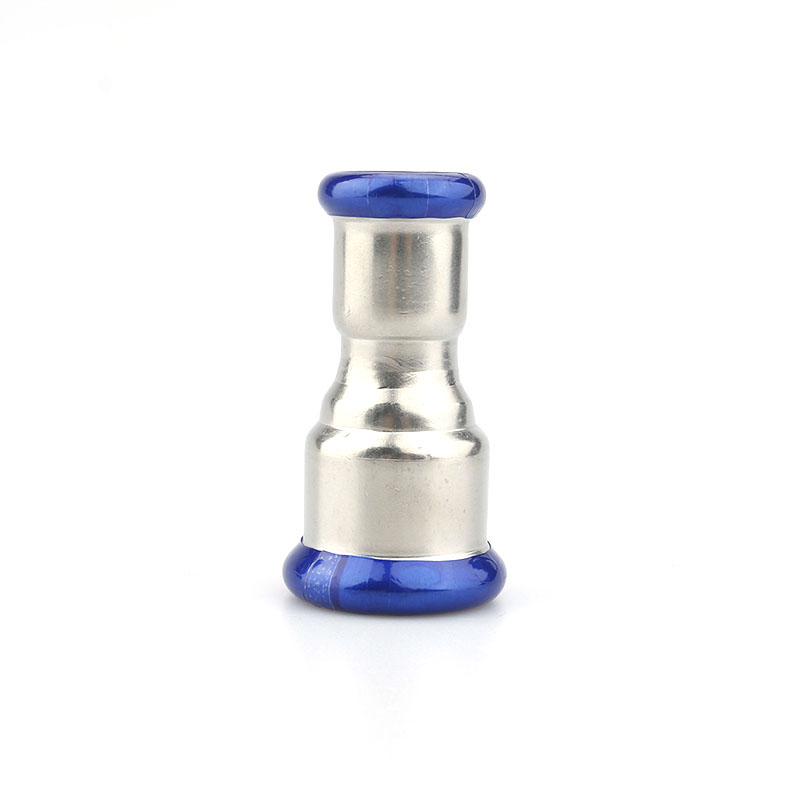
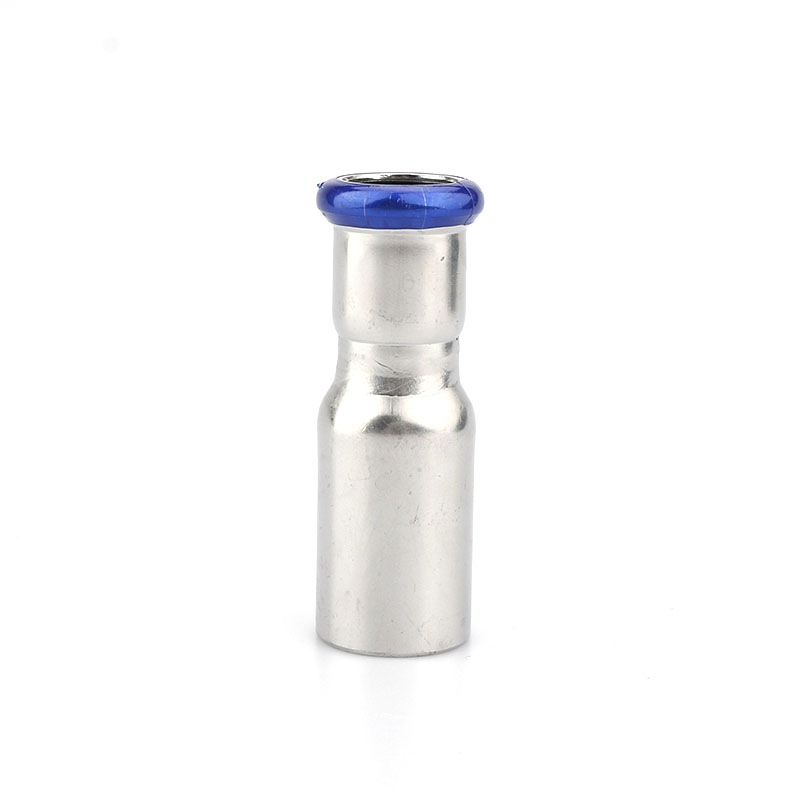

Beta-Press Stainless Steel press fittings are sourced specifically with quality in mind and have undergone rigorous material forms and tensile testing.
Further more both our 316 & 304 EPDM fittings have UK Wras approval and DVGW approval.
Beta-Press 316 stainless steel is an austenitic alloy containing 2–3% molybdenum, which significantly enhances corrosion resistance—particularly against chlorides and pitting—compared to 304 stainless steel.
Known as marine-grade steel, it is highly durable, formable, and resistant to high-temperature creep
Stainless Steel 316 is chosen over standard 304 stainless steel primarily for its superior corrosion resistance, particularly against chlorides, salt, and harsh industrial acids. It is a molybdenum-bearing alloy designed for high-performance, long-lasting applications where pitting and crevice corrosion are a risk.
Here is why you should use Stainless Steel 316:
- Superior Corrosion Resistance (The Molybdenum Advantage)
While 304 stainless steel is excellent for general use, it can fail when exposed to saltwater or chemical environments.
- Chloride Protection: The addition of 2–3% molybdenum makes 316 highly resistant to chloride-induced pitting and crevice corrosion, making it essential for coastal and marine environments (railings, boat fittings).
- Chemical Resistance: It is the preferred material for chemical processing, storage, and handling of acidic or saline solutions.
- Self-Healing: Like other stainless steels, 316 forms a passive chromium oxide layer that self-repairs when scratched.
- Extreme Durability and Long Service Life
- Long-Term Investment: While 316 is more expensive than 304, its high resistance to corrosion and wear leads to a longer lifespan, reducing maintenance and replacement costs in harsh environments.
- Strong and Tough: 316 has excellent tensile strength and remains tough at both high and cryogenic temperatures.
- Hygienic and Safe (Food and Medical)
- Non-Porous and Easy to Clean: Its smooth, non-porous surface prevents bacterial growth, making it ideal for pharmaceutical, medical, and high-acid food processing equipment (like tomato processing).
- Sterilization: It stands up to harsh, caustic cleaning agents frequently used in sanitized environments.
- High-Temperature and Structural Performance
- Heat Resistance: 316 maintains its strength at high temperatures (up to 870°C / 1600°F), making it suitable for heat exchangers and industrial ovens.
- Low-Carbon Variant (316L): Often used in welded components to prevent carbide precipitation during fabrication, ensuring the weld area remains as corrosion-resistant as the rest of the part.
- Common Applications
- Marine & Coastal: Boat parts, fasteners, and dockside structures.
- Pharmaceutical/Medical: Surgical instruments, implants, and cleanroom equipment.
- Food Processing: Commercial kitchens, food transport, and high-acid food handling.
- Industrial: Chemical storage tanks, pressure vessels, and pharmaceutical piping.
- Clean water & potable water applications.
Highly efficient production and testing techniques ensures that fittings are manufactured to the highest possible standards with both 304L and 316L materials available and in sizes from 15mm through to 168mm.
Fittings available with wras approval with EPDM orings as well as FKM and HNBR gas approved versions.
M-Profile as standard ( V-Profile on request )